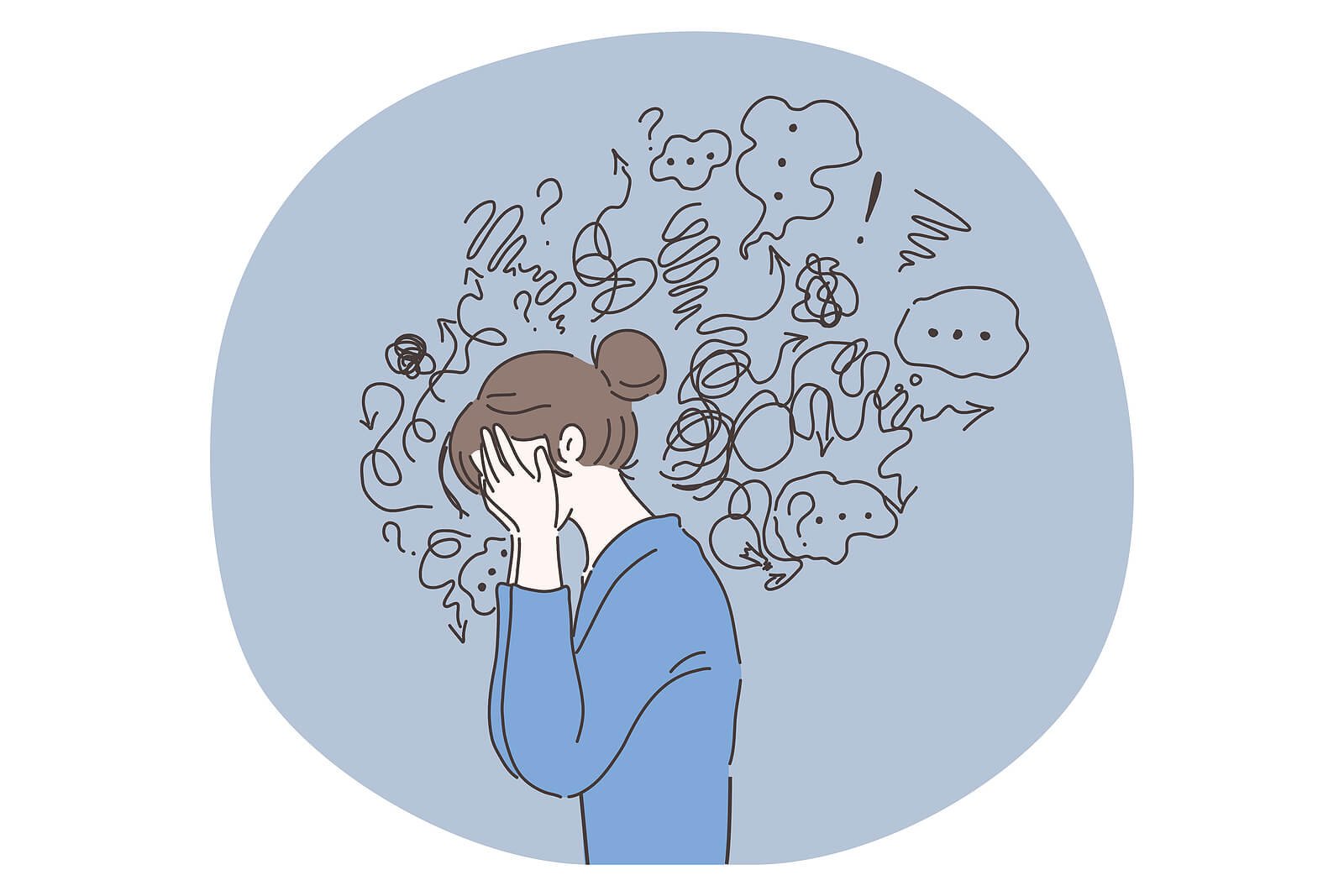

Emotions, emotions emotions. Many people have a love-hate relationship with their emotions especially, intense emotions. Are you someone who struggles with intense emotions or feels stuck in difficult situations? Well, DBT, or dialectical behavior therapy, might just be the tool you need to help you manage those emotions and behaviors. DBT is all about taking an active role in your own mental health and well-being. The framework emphasizes that we don’t cause all of our problems, but we are responsible for managing our reactions to those problems. And that’s where practical skills come in. DBT skills are usually taught in a DBT skills group but it can also be taught during 1 on 1 skills training with a therapist.
What Are DBT Skills?
DBT skills are divided into several categories. This includes mindfulness, distress tolerance, emotion regulation, and interpersonal effectiveness. They’re designed to help you stay present in the moment, cope with intense emotions, identify and change negative thought patterns and behaviors, and communicate effectively with others.
Now, I know what you might be thinking. “Okay, that all sounds great, but how can I actually use these skills in my daily life?”. Well, the first step is to identify situations where you tend to struggle with your emotions or behaviors. For example, if you get really anxious when you have to speak in public, you might try using a distress tolerance skill like deep breathing to help you cope with the situation. But don’t just wait for those difficult situations to arise. You can also practice these skills regularly, even when things go well. The goal of DBT skills is for the skills to be generalized! That means they are used regularly when problems arise. For example, you might try practicing mindfulness meditation every day to help you develop a habit of staying present in the moment.
It’s important to remember that DBT is a collaborative process between you and your DBT therapist. A DBT therapist in New York City can help you identify which skills are most relevant to your specific situation. They can also provide guidance and support as you learn and practice those skills.
Benefits of DBT Skills
So, what are some of the benefits of using DBT skills? Well, for starters, you can develop a greater sense of control over your life. You can learn how to manage your emotions and behaviors in a healthy way, rather than feeling like they’re controlling you. You can also build healthier relationships with others by learning how to communicate effectively and assert your needs and boundaries.
In summary, DBT therapy in NYC is a valuable tool for anyone who wants to take control of their mental health and well-being. By learning and practicing practical skills in mindfulness, distress tolerance, emotion regulation, and interpersonal effectiveness, you can develop a greater sense of control over your life and build healthier relationships with others. Remember, it’s important to be patient with yourself as you learn and practice these skills. Change doesn’t happen overnight, and it’s okay if you make mistakes along the way. What’s important is that you’re taking an active role in your own mental health and well-being. And don’t forget, DBT isn’t just for people with a diagnosed mental illness. Anyone can benefit from learning these skills, regardless of their background or experiences.
So if you’re someone who wants to feel more in control of your emotions and behaviors, or build stronger relationships with others, DBT might just be the tool you need. So why not give it a try? You might just be surprised at how much it can help!
Begin DBT Therapy in NYC Today
Feeling overwhelmed by intense emotions or stuck in challenging situations? DBT can help you regain control and find balance. Imagine having practical tools at your fingertips for handling stress, managing emotions, and improving your relationships. DBT helps you stay present, cope with difficulties, and communicate effectively, all while offering a sense of empowerment over your own mental well-being. Follow the steps below to get started with Kind Mind:
- Contact us here.
- Learn more about DBT skills by exploring our blogs.
- Use your DBT skills as a tool kit for when emotions and hard feelings arise.
Other Services We Offer in Charlotte, NC
In addition to DBT therapy, we offer group therapy that creates a welcoming space where you can connect with others, share experiences, and feel empowered as part of a supportive community. For those within the LGBTQIA+ community, our LGBTQIA+ therapy is a compassionate and affirming space where you can explore your identity and celebrate who you are. We also offer couples therapy, helping partners strengthen their bond. If you’re seeking to heal from past trauma, our specialized EMDR therapy and Internal Family Systems (IFS) therapy is designed to guide you toward lasting healing and emotional resilience. Whatever you’re facing, we’re here to help you thrive.
At Kind Mind Psychology, we offer DBT in the way it was designed to be delivered, not just as an individual therapy technique, but as a structured program with multiple components:
DBT skills groups run three evenings per week — Monday, Wednesday, and Thursday. Each group covers all four skill modules over a six-month cycle. The group is where you learn the skills. Individual therapy is where you learn to use them in your life.
Individual DBT therapy
DBT therapy applies the skills to your specific challenges, uses diary cards to track your patterns, and helps you problem-solve when skills aren’t working the way you expected.
Phone coaching
Phone coaching provides between-session support for moments of crisis when you need real-time guidance on which skill to use right now.
Our groups are open to clients who are seeing individual therapists at other practices — you don’t have to be a Kind Mind client to join. All group members must be in concurrent individual therapy. Groups are virtual and available across 40+ PSYPACT states.
If CBT has helped you understand your patterns but hasn’t fully changed your emotional reactions, DBT skills may be the missing piece. And if deeper parts work or trauma processing is needed, our clinicians are also trained in IFS and EMDR to complement the DBT foundation.
Frequently Asked Questions
What are the four DBT skill modules?
The four modules are mindfulness (observing thoughts and emotions without reacting), distress tolerance (surviving crisis moments without making them worse), emotion regulation (understanding and managing intense emotions), and interpersonal effectiveness (communicating needs and setting boundaries while maintaining relationships). At Kind Mind, all four are taught in our DBT skills groups over a six-month cycle.
Do I need a BPD diagnosis to benefit from DBT?
No. While DBT was originally developed for BPD, research supports its effectiveness for emotional dysregulation, ADHD, anxiety, and depression. As well as self-harm, relationship difficulties, and chronic stress. Anyone who struggles with intense emotions or impulsive behavior can benefit.
What’s the difference between a DBT skills group and group therapy?
A DBT skills group is structured like a class — you’re there to learn and practice specific skills, not to process emotions as a group. It follows a curriculum covering the four modules in sequence. Traditional group therapy is more open-ended and focused on sharing and processing. Both have value, but they serve different functions.
Can I join a DBT group if I see a therapist at another practice?
Yes. Kind Mind’s DBT skills groups are open to clients receiving individual therapy elsewhere. Your client keeps their individual therapist, and we add the skills training component. We coordinate with outside providers to keep treatment integrated. All group members must be in concurrent individual therapy.
How is DBT different from CBT?
CBT focuses primarily on changing distorted thoughts and behaviors. DBT includes cognitive elements but adds a strong emphasis on emotional regulation, distress tolerance, mindfulness, and the balance between acceptance and change. DBT is designed for people whose emotional intensity makes standard CBT difficult to engage with.
Can DBT be done virtually?
Yes. All of Kind Mind’s DBT services — individual therapy, skills groups, and phone coaching — are delivered virtually. Groups are available across 40+ PSYPACT states.
If you’re ready to build the skills that give you more control over your emotions and your life, contact Kind Mind Psychology or call 646-918-1181 (NYC) / 704-218-9194 (Charlotte, NC). We offer virtual sessions in NY, NJ, NC, and 40+ PSYPACT states. We accept insurance and offer sliding scale starting at $25/session.
Dr. Monica Johnson, PsyD, is a licensed clinical psychologist, AASECT Certified Sex Therapist, and founder of Kind Mind Psychology — a virtual group practice serving clients across New York, New Jersey, North Carolina, Delaware, and 40+ PSYPACT states. She is the host of ADHD & on Understood.org, the author of an Audible Original, and co-author of Addressing Race-Based Stress in Therapy with Black Clients (Routledge). Featured in The New York Times, NPR, British Vogue, SELF, and the Associated Press.