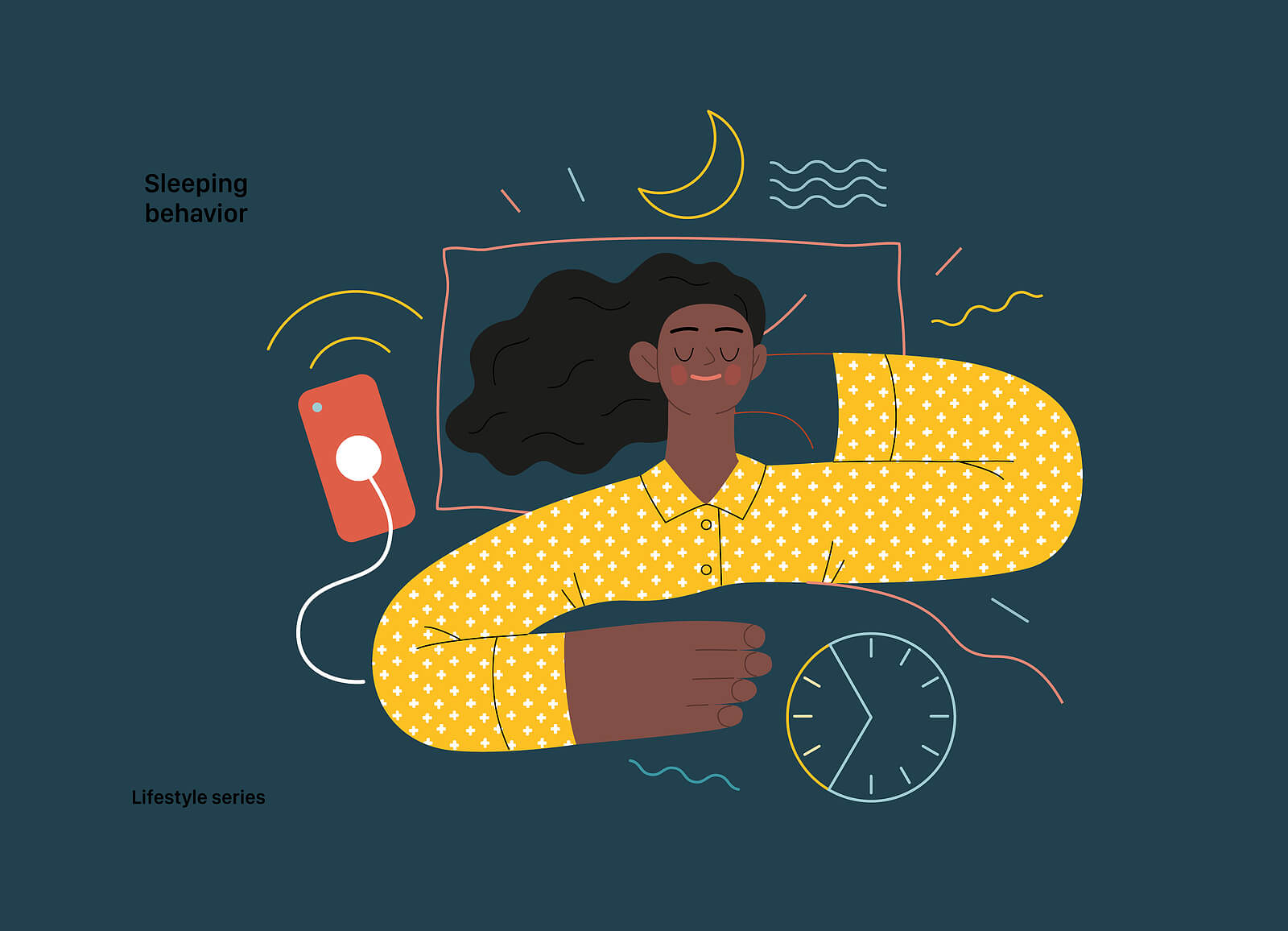
Sleep hygiene refers to both your sleep environment and behavior. It’s the art of creating routines around healthy habits and avoiding things that can interfere with restful sleep. By mastering sleep hygiene, you can set yourself up for better nightly sleep and wake up feeling well-rested.
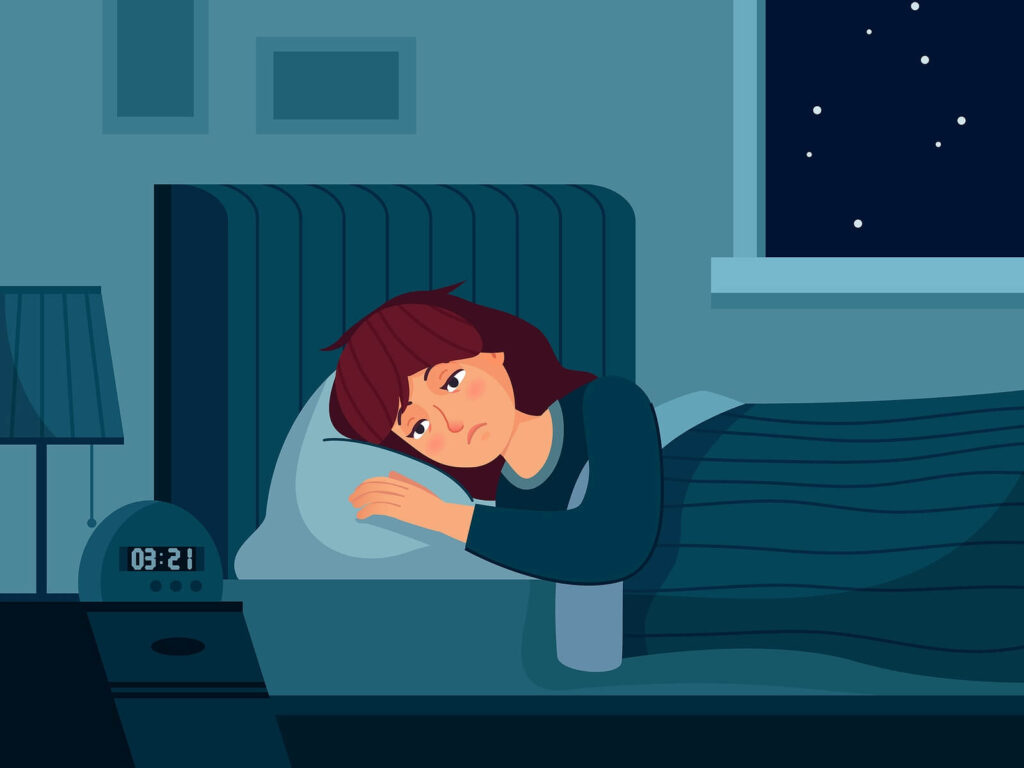
Why Does Sleep Hygiene Matter?
Quality sleep is essential for physical and mental health, productivity, and overall well-being. Whether you’re a child or an older adult, everyone benefits from better sleep. For people living with mood disorders, the stakes are even higher. Disrupted sleep is associated with increased risk of depressive or manic episodes, substance use relapse, elevated suicidality, and broader difficulties with emotion regulation. Forming good sleep habits is important for everyone, and especially critical for those managing mental health conditions.
Signs of Poor Sleep Hygiene
Here are some signs that your sleep hygiene might need improvement:
- Difficulty Falling Asleep: If you struggle to fall asleep, it could be due to poor sleep hygiene.
- Frequent Sleep Disturbances: Waking up often during the night disrupts your sleep quality.
- Daytime Sleepiness: Feeling tired during the day may indicate poor sleep hygiene.
- Inconsistent Sleep Patterns: Lack of consistency in sleep quantity or quality can also be a symptom.
How to Practice Good Sleep Hygiene

- Set a Strict Sleep Schedule:
- Go to bed and wake up at the same time every day, even on weekends.
- Consistency reinforces your body’s internal clock.
- Create a Bedtime Routine:
- Wind down before bed with calming activities like reading or gentle stretching.
- Avoid stimulating activities (e.g., intense exercise or work) close to bedtime.
- Optimize Your Bedroom:
- Keep the room dark, quiet, and cool.
- Invest in a comfortable mattress and pillows.
- Avoid screens for at least one hour before bed. Blue light from phones, tablets, and computers disrupts your body’s natural sleep-wake cycle.
- Avoid Stimulants Before Bed:
- Limit caffeine, nicotine, and alcohol intake at least 3 to 4 hours before bedtime.
- These substances can interfere with sleep quality.
- Get Regular Exercise:
- Engage in physical activity during the day.
- Exercise promotes better sleep, but avoid vigorous workouts close to bedtime.
- Watch Your Diet:
- Avoid heavy meals right before bed.
- Opt for light snacks if you’re hungry.
- Limit Naps:
- Short daytime naps (20–30 minutes) can be refreshing.
- Avoid long naps that disrupt nighttime sleep.
- Manage Stress:
- Practice relaxation techniques like deep breathing or meditation.
- A calm mind promotes better sleep.
Remember, sleep hygiene alone won’t cure all sleep problems. If you continue to experience sleep issues, consult a doctor. They can provide personalized advice and address any underlying concerns.
Sleep and Mental Health: When You Need More
For many people, the tips above make a real difference. But for those living with mood disorders, anxiety, or other mental health conditions, sleep disturbances often have deeper roots. Barriers can include rumination, nightmares, and the absence of any routine at all, none of which a consistent bedtime alone can fix.
Dialectical Behavior Therapy (DBT) includes a specific sleep hygiene protocol designed for exactly this situation. It builds on the same foundation: a consistent schedule and sensory self-soothing (white noise, essential oils, adjusting the room temperature). But it also adds targeted skills for when the mind won’t quiet down.
Managing Rumination and Catastrophizing
One of the biggest obstacles to sleep for people with anxiety or mood disorders is rumination that escalates into catastrophizing. It sounds like: “If I don’t fall asleep right now, I’ll only get a couple of hours and I’ll be exhausted tomorrow,” or “I’m going to be so miserable if I only get four hours of sleep.” There may be some truth in those thoughts, but they reliably make falling asleep harder, not easier.
When this happens, the DBT recommendation is to get out of bed and try a quiet activity like reading or listening to calm music until you feel drowsy, then return to your routine. DBT’s TIP skills are also useful here: splashing cold water on your face followed by slow, paced breathing is a reliable way to interrupt physical anxiety and slow racing thoughts.
When the Worry Won’t Let Go
If the thought you’re stuck on is actually solvable, get up and solve it, or write down a concrete plan. You will likely fall asleep more easily once you’ve addressed it. If the worry isn’t solvable, DBT asks you to identify whether a real threat exists, assess honestly whether it constitutes a catastrophe, and work through how you would cope if the worst happened. The goal is not to dismiss the worry. It’s to feel prepared, which reduces the urgency that keeps you awake.
Relaxation Exercises to Support Better Sleep
Sometimes the body needs a signal that it’s safe to rest. These exercises work well as part of a wind-down routine:
- Progressive Muscle Relaxation (PMR): Starting at your toes, tense each muscle group for a few seconds, then release. Work your way up to your head, focusing on the sensation of tension leaving your body.
- Diaphragmatic Breathing: Inhale slowly through your nose, letting your belly rise. Exhale slowly through your mouth. Repeat for several minutes. This activates the parasympathetic nervous system and reduces physical arousal.
- Mindfulness Meditation: Sit or lie comfortably and focus on your breath or a physical sensation. When your mind wanders, gently return your attention without judgment. Even five to ten minutes before bed can quiet a busy mind.
- Gentle Yoga: Restorative poses like forward bends, gentle twists, and legs-up-the-wall combined with slow breathing promote physical relaxation and signal to your nervous system that it’s time to rest.
- Guided Imagery: Picture yourself in a calm, safe setting: a beach, a forest, a quiet room. Engage the details: sounds, temperature, how the air feels. This redirects attention away from intrusive thoughts and eases the transition into sleep.
When Sleep Challenges Are Tied to Stress, Anxiety, or Mental Health
If anxiety, chronic stress, trauma, or racing thoughts are keeping you up, Kind Mind Psychology can help.
Our team of therapists offers compassionate, evidence-based support to help you manage the emotional and psychological factors that can disrupt your rest. Whether you’re experiencing anxiety, burnout, ADHD, or past trauma, we’re here to help you get to the root of the problem and find sustainable strategies for better sleep and overall well-being.
Ready to Take Your Sleep More Seriously?
If you’re struggling with poor sleep, you’re not alone, and you don’t have to figure it out by yourself. At Kind Mind Psychology, we help individuals uncover the root of their sleep issues. Our therapists offer personalized support to help you build better habits and get the rest you need to feel your best.
- Reach out to us today.
- Learn more about the services we offer.
- Discover how therapy can support better sleep and overall well-being!
Comprehensive Therapy Services in New York and North Carolina
In addition to ADHD therapy in Charlotte, NC, Kind Mind Psychology offers a range of supportive services tailored to your unique needs. We provide LGBTQ+ affirming therapy, offering a safe space to explore and embrace your identity. Our couples therapy and sex therapy help partners strengthen their relationships and foster deeper connections. If you’re navigating the effects of past trauma, our trauma treatment services provide a compassionate, evidence-based approach to healing. Whether you’re seeking CBT, DBT, or online therapy, our team is here to support your growth and well-being every step of the way.
The DBT PLEASE skill includes sleep as a core component of emotional vulnerability reduction. Good sleep hygiene is one of the most foundational things you can do for emotional regulation. Contact us to learn more.
Frequently Asked Questions
Does poor sleep affect mental health?
Yes. Sleep deprivation worsens anxiety, depression, emotional reactivity, ADHD symptoms, and stress tolerance. Improving sleep hygiene is one of the first things we address in therapy, particularly through DBT’s PLEASE skill.
Ready to Get Started?
If you’re ready to start working with a therapist who gets it, contact Kind Mind Psychology or call 646-918-1181 (NYC) / 704-218-9194 (Charlotte, NC). We offer virtual sessions in NY, NJ, NC, and PSYPACT states. We accept insurance and offer sliding scale starting at $25/session. Visit our Insurance & Fees page for details.
Dr. Alexey Breuss, PsyD, is an Associate Psychologist at Kind Mind Psychology. He is trained in CBT, DBT, EMDR, IFS, and ACT, and leads Kind Mind’s Monday evening DBT skills group. He specializes in anxiety, depression, ADHD, trauma, personality disorders, and working with BIPOC, LGBTQ+, and immigrant communities. Kind Mind Psychology offers virtual sessions in NY, NJ, and NC.