Defining ADHD, Anxiety, and Stress
Attention-Deficit/Hyperactivity Disorder (ADHD), anxiety, and stress are three conditions that often overlap and interconnect since one can trigger the other. These mental health challenges can also amplify each other, creating a cycle that feels challenging to break. It is important to appropriately define them and understand how they connect to reduce their negative effects on your mental well-being and other aspects of your life, like work, school, relationships, etc.
What is ADHD?
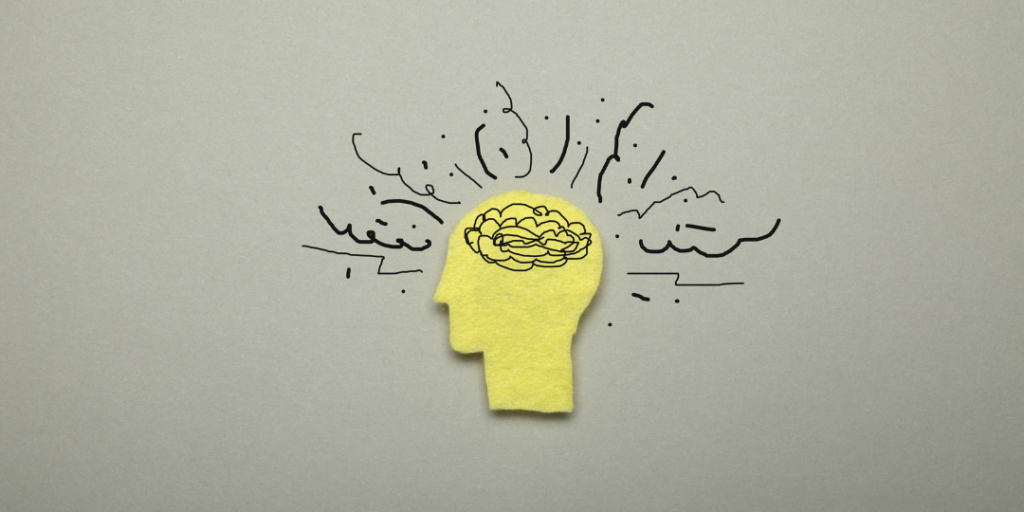
ADHD is a common brain-based condition that often begins in childhood and can continue into adulthood. It affects attention, self-control, and staying organized or focused. Symptoms of ADHD can include being easily distracted, overly active, or impulsive behaviors, which can make it harder to do what is needed for school, work, or in relationships. Recent research shows that ADHD is linked to differences in how the brain develops and processes information. This can lead to difficulties with managing emotions and handling stress, which may make symptoms worse (Furman, 2005; National Institute of Mental Health, 2024).
What is anxiety?
Anxiety is another condition that often occurs alongside ADHD. It involves excessive worrying, even about things that may never happen, and this constant state of worry can interfere with everyday life. When someone has both ADHD and anxiety, the symptoms of each can make the other worse. For example, the difficulty with focus and emotional regulation that comes with ADHD can increase feelings of anxiety, and in turn, anxiety can make it even harder to concentrate or stay calm. As a result, this can generate stress, which also plays a big role in this cycle.
While some stress is needed for everyday living, ongoing or intense stress can make it much harder to manage symptoms of both ADHD and anxiety. People with ADHD tend to be more sensitive to stress, and when stress builds up, it can affect memory, decision-making, and emotional control. This ultimately creates a loop where ADHD, anxiety, and stress feed into each other (Bob, 2025).
What is Mindfulness in DBT?
Mindfulness in Dialectical Behavior Therapy (DBT) is a technique that helps people become more aware of their thoughts, feelings, and actions in the present moment. For those with ADHD, anxiety, and stress, mindfulness can be especially useful in managing impulsive behaviors, excessive worrying, and overwhelming emotions. Research shows that mindfulness can change the way the brain works, helping improve focus and attention. It helps reduce “mind-wandering”, a common struggle in ADHD, by improving brain connections that control attention and self-monitoring. Mindfulness also teaches people to notice their emotions without reacting impulsively, which helps manage emotional dysregulation and reduces stress. With practice, mindfulness can make it easier to stay calm and focused to improve both attention and emotional balance (Micthell, 2015; Modesto-Lowe, 2015).

Wise Mind: The Balance Between Emotions and Over-Rationalizing
Wise Mind helps balance emotions and logic, offering a grounded perspective between Emotion Mind (when emotions lead to impulsive actions) and Reasonable Mind (which ignores emotions in favor of logic). For example, if you hit a roadblock in a project, Emotion Mind might cause overwhelm and impulsive reactions. On the other hand, Reasonable Mind might push you to keep going without considering your feelings. Wise Mind helps you acknowledge your emotions without letting them control you while making logical decisions. It’s helpful for ADHD by preventing impulsivity, for anxiety by staying present instead of overthinking, and for stress by promoting thoughtful responses. To practice, pause, breathe deeply, and ask, “What does my emotion want me to do?” and “What makes sense logically right now?” to find balance.
Staying in the Present: Mindfulness Skills for ADHD, Anxiety, and Stress
● Mindful Breathing
Feelings of overwhelm are common with ADHD, anxiety, or stress, especially when juggling multiple tasks or racing thoughts. Mindful breathing can help calm your body and mind, reducing impulsivity and anxiety. A simple technique like 4-7-8 breathing, inhale for 4 seconds, hold for 7, and exhale for 8, can be done throughout the day. Remember to inhale through your nose, filling your stomach, and exhale slowly through pursed lips.
● Mindfulness “WHAT” Skills
Mindfulness “WHAT” Skills are tools that tell us what to do to practice mindfulness. The first skill is to observe your thoughts, emotions, and surroundings. This helps you stay aware of what’s going on without getting overwhelmed. Describing your experiences allows you to label your feelings and gain perspective, which is especially helpful for managing the impulsive reactions often seen in ADHD. Finally, participating fully in the present moment can help you focus on the task at hand, reducing the stress of multitasking and preventing anxiety or overthinking.
● Noticing Thoughts Without Judgment
Judgment in ADHD, anxiety, and stress often arises from negative self-talk, making you feel overwhelmed or not enough. In ADHD, this can show up as self-criticism for forgetfulness or distractions. Noticing thoughts without judgment involves observing your thoughts without labeling them as “good” or “bad,” replacing phrases like “I should” with simple expressions of how you feel or what you want, such as “I want things to be different,” helping you stay grounded and avoid self-criticism.
● Body Scans
Similar to mindful breathing, body scans help build awareness of physical tension, allowing you to release it and stay grounded in the present moment. To do a body scan, close your eyes and focus on each part of your body, starting from your toes and slowly moving up to your head. As you mentally check in with each area, notice any tension or discomfort, and gently release it with each exhale.
Mindfulness is a huge intervention that can include a lot of different skills and is all centered around being present, in the moment, on purpose, without judgment, and without clinging to moments. What was discussed here is just a small sample of the many skills that can help reduce ADHD, anxiety, and stress symptoms. It’s important to practice what works for you, as your experiences may differ from others facing similar challenges.
Learning Mindfulness Skills Through DBT at Kind Mind Psychology
Learning mindfulness techniques on your own can be a helpful starting point, but practicing these skills with professional guidance can help you understand how to apply them to your everyday experiences. Our therapists both individual Dialectical Behavior Therapy (DBT) and an online DBT skills group to help individuals develop practical tools for managing emotions, navigating stress, and staying present.
Individual DBT therapy provides personalized support to help you understand your emotional patterns, identify triggers, and apply mindfulness skills to challenges specific to your life. Your therapist can help you work through the ways ADHD, anxiety, and stress affect your thoughts, behaviors, and relationships while developing strategies that support your individual goals.
DBT skills group offers a structured environment to learn and practice the four core DBT skill areas: mindfulness, distress tolerance, emotion regulation, and interpersonal effectiveness. You’ll have opportunities to develop new skills, learn alongside others, and practice strategies for responding to difficult emotions and stressful situations. Our skills group is also available to individuals who work with therapists outside of Kind Mind Psychology.
Ready to Build More Mindfulness Into Your Everyday Life?
Living with ADHD, anxiety, and ongoing stress can make it difficult to slow down, manage your emotions, and stay present. But you don’t have to navigate those challenges without support. Mindfulness and DBT skills can help you better understand your emotional responses, manage overwhelming moments, and develop healthier ways to respond to everyday stressors.
At Kind Mind Psychology, we offer Dialectical Behavior Therapy (DBT) to help individuals build practical skills for emotional regulation, distress tolerance, mindfulness, and healthier relationships. Whether you’re interested in learning more about DBT or exploring therapy options, we’re here to help you find the right support.
Here are three ways to get started:
- Contact Kind Mind Psychology to ask questions about our services and discuss your therapy goals.
- Visit the Kind Mind Psychology team page to learn more about our clinicians and the support we offer.
- Learn more about our comprehensive DBT services and how DBT skills can help you navigate ADHD, anxiety, stress, and emotional overwhelm.
Other Therapy Services We Offer in New York and North Carolina
In addition to DBT therapy, Kind Mind Psychology offers a variety of services to support individuals, couples, and teens. Our teen therapy helps adolescents navigate emotional and developmental challenges, while our group therapy provides a supportive space to connect with others. We also offer affirming LGBTQIA+ therapy, couples therapy, and sex therapy to help clients navigate relationships, identity, and intimacy.
Our clinicians also use evidence-based approaches, including Cognitive Behavioral Therapy (CBT), EMDR therapy, Internal Family Systems (IFS) therapy, and trauma therapy, to help clients work through difficult experiences, process trauma, and develop healthier patterns. Whatever brings you to therapy, we’re here to help you find the support that fits your needs.
References
Bob, P., & Privara, M. (2025). ADHD, stress, and anxiety. Frontiers in Psychiatry, 16, 1536207. https://doi.org/10.3389/fpsyt.2025.1536207
Furman L. (2005). What is attention-deficit hyperactivity disorder (ADHD)?. Journal of Child Neurology, 20(12), 994–1002. https://doi.org/10.1177/08830738050200121301 Mitchell, J. T., Zylowska, L., & Kollins, S. H. (2015). Mindfulness Meditation Training for Attention-deficit/hyperactivity disorder in adulthood: Current empirical support, treatment overview, and future directions. Cognitive and Behavioral Practice, 22(2), 172–191. https://doi.org/10.1016/j.cbpra.2014.10.002
Modesto-Lowe, V., Farahmand, P., Chaplin, M., & Sarro, L. (2015). Does mindfulness meditation improve attention in attention deficit hyperactivity disorder?. World Journal of Psychiatry, 5(4), 397–403. https://doi.org/10.5498/wjp.v5.i4.397
U.S. Department of Health and Human Services. (2024). Attention-deficit/hyperactivity disorder (ADHD). National Institute of Mental Health.
https://www.nimh.nih.gov/health/topics/attention-deficit-hyperactivity-disorder-adhd
Mindfulness is the first module taught in Kind Mind’s DBT skills groups, which run three evenings per week.
Frequently Asked Questions
What is mindfulness in DBT?
Mindfulness in DBT is a set of skills that help you observe your thoughts, emotions, and physical sensations in the present moment without judgment or impulsive reaction. It is the foundation of all other DBT skills and is especially useful for people with ADHD, anxiety, and chronic stress.
Can mindfulness help with ADHD?
Yes. Research shows that mindfulness practice can improve attention, reduce mind-wandering, and help with emotional regulation, all of which are core challenges in ADHD. Mindfulness does not eliminate ADHD symptoms, but it can help you respond to them more effectively.
Where can I learn DBT mindfulness skills?
Kind Mind Psychology offers DBT skills groups three evenings per week. Mindfulness is the first module covered in each 6-month group cycle. Groups are available across all PSYPACT states.
Learn more:
If you’re ready to start working with a therapist who gets it, contact Kind Mind Psychology or call 646-918-1181 (NYC) / 704-218-9194 (Charlotte, NC). We offer virtual sessions in NY, NJ, NC, and PSYPACT states. We accept insurance and offer sliding scale starting at $25/session. Visit our Insurance & Fees page for details.
Dr. Alexey Breuss, PsyD, is an Associate Psychologist at Kind Mind Psychology. He is trained in CBT, DBT, EMDR, IFS, and ACT, and leads Kind Mind’s Monday evening DBT skills group. He specializes in anxiety, depression, ADHD, trauma, personality disorders, and working with BIPOC, LGBTQ+, and immigrant communities. Kind Mind Psychology offers virtual sessions in NY, NJ, and NC.