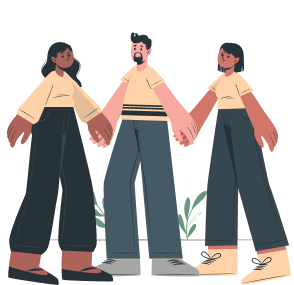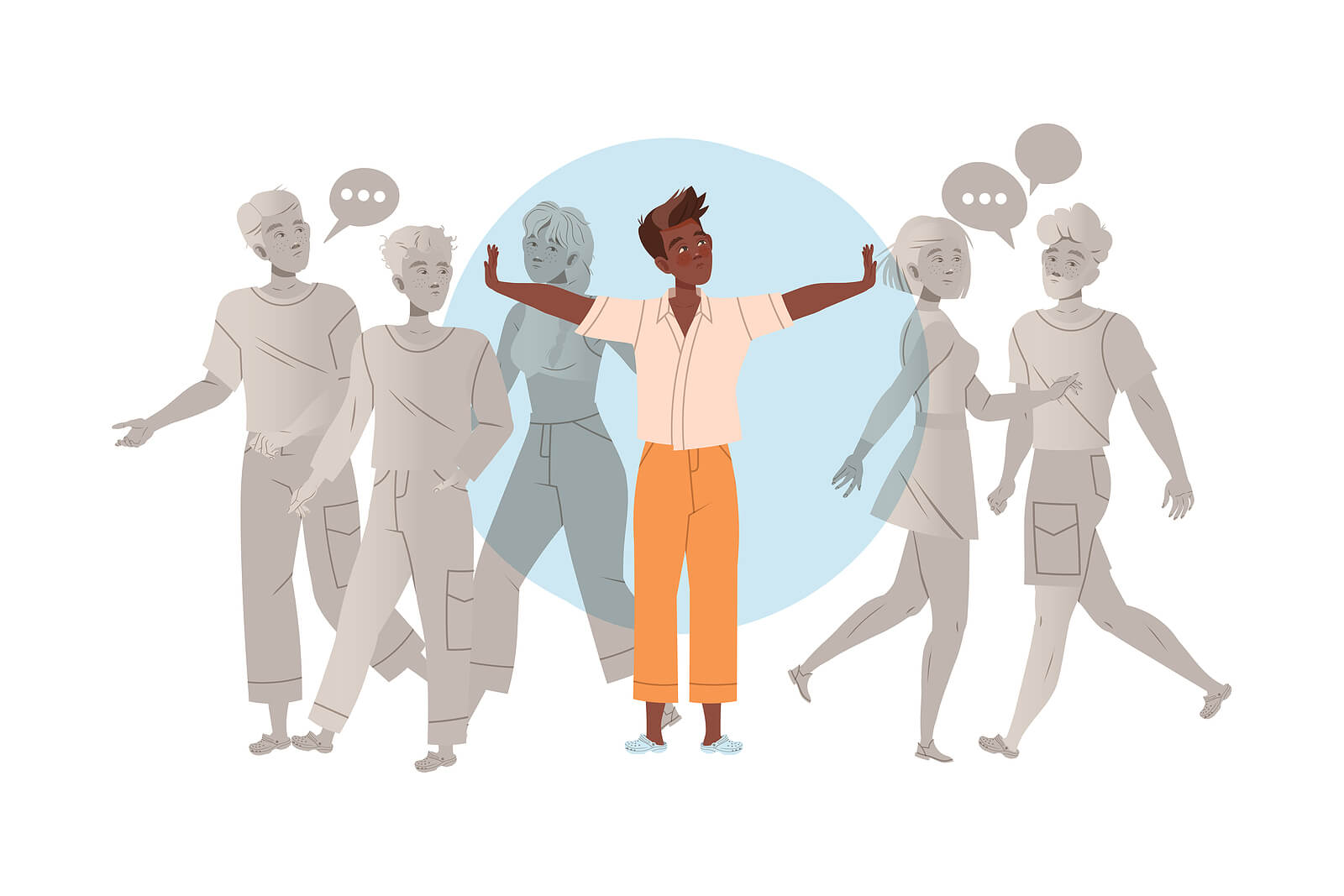
Healing from enmeshment means building the thing your family system never made room for: a self. If you grew up in an enmeshment trauma dynamic, you already know what it took from you. This is about getting it back. The work has three layers: boundaries that create space, tolerance for the guilt that arrives when you use that space, and the slow construction of an identity that belongs to you. Here’s what each layer actually involves.
Why healing feels like betrayal
In an enmeshed family, closeness was mandatory and separateness was treated as abandonment. Wanting privacy meant you were hiding something. Disagreeing meant you were ungrateful. Having your own life meant you were leaving people behind.
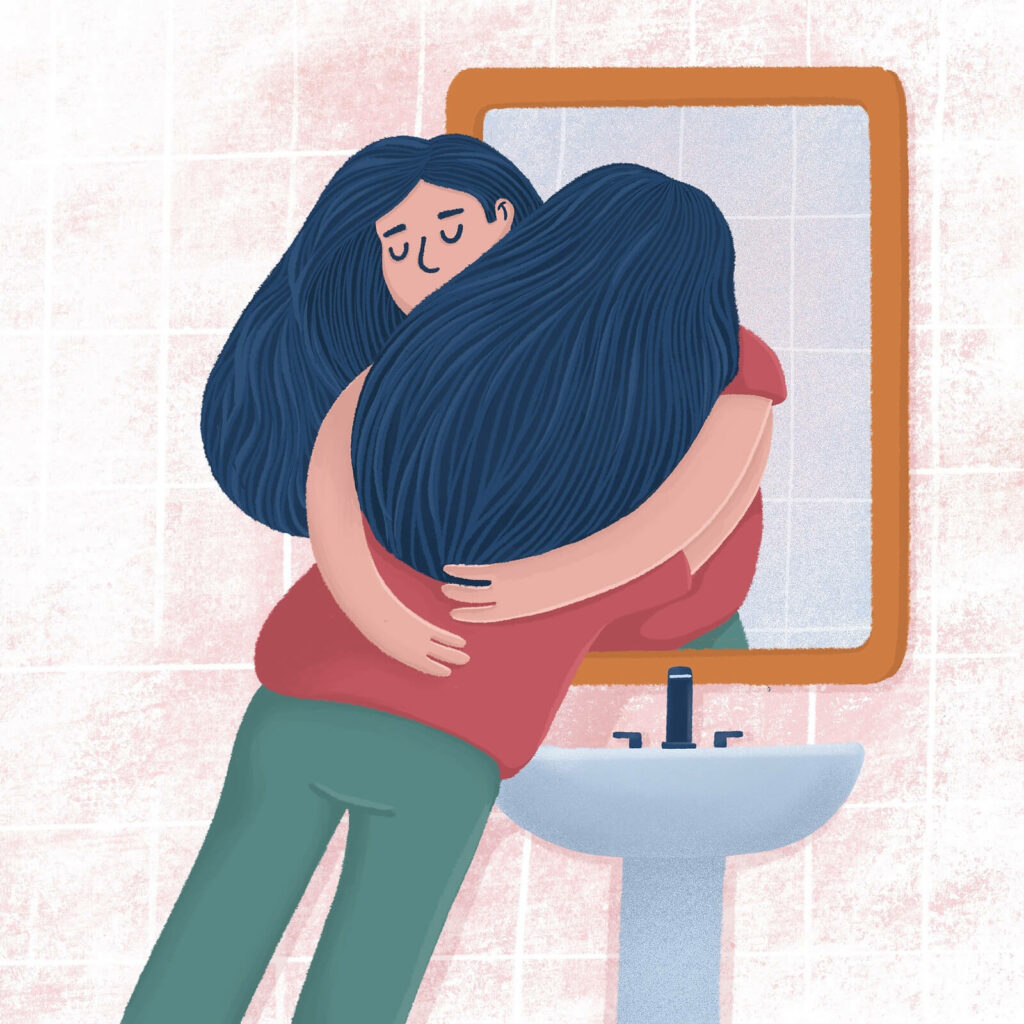
So when you start to heal, your nervous system reads progress as betrayal. The guilt you feel when you set a limit is not proof you did something wrong. It is proof the training worked. Expect the guilt. Plan for it. It fades with repetition, and it fades faster when you stop treating it as a verdict.
Boundaries with enmeshed parents: the scripts
Boundaries are where healing gets practical, and where most people freeze, because they try to explain their way into permission. You do not need permission. You need short, warm, complete sentences. Here are four for the most common situations.
When the expectation is contact every day:
“I love talking with you. I can’t talk every day. I’ll call you Sunday.”
Then call on Sunday. The boundary is built by the follow-through, not the announcement.
When they want information you are not offering:
“I’m not discussing my relationship today. How was your week?”
State the line, then redirect in the same breath. The pivot does half the work. This applies to your finances, your body, your therapy, and anything else that has been treated as family property.
When the holiday demand is total:
“We’ll be there Thursday from two to six.”
No essay attached. Every sentence of explanation you add is a handle for someone to grab. Short is not cold. Short is clear.
When the guilt trip arrives, and it will:
“I know this is different from what you’re used to. My answer stays the same. I love you.”
All three parts matter: acknowledgment, the held line, and the warmth. You are not choosing between loving your family and having limits. You are doing both in one sentence.
Surviving the guilt without reversing course
Guilt in enmeshment recovery is usually a conditioned response, not a moral signal. A moral signal says you violated your values. A conditioned response says you violated the family rules. Setting a boundary breaks the rules, so the alarm sounds, even when what you did was healthy. Treat the guilt like a wave. It rises, it peaks, it passes, and your job is to ride it without undoing the boundary to make it stop. Reversing a boundary to relieve guilt teaches your brain that the alarm works, which makes the next wave bigger. Riding it out teaches the opposite lesson, and the waves shrink.

Building an identity of your own
Family systems theorists call the goal differentiation of self: staying connected to people without disappearing into them. After a childhood spent reading everyone else’s needs, your own preferences can feel like a foreign language. You learn it the way you learn any language: small words first, daily practice.
Start embarrassingly small. Order what you actually want at the restaurant. Name one opinion out loud that differs from the family position. Pick the music in your own car. Keep one thing private, not because it is shameful, but because privacy is a right, not a betrayal. Each small act is a rep, and the reps compound into a person who knows what she wants.
When the family pushes back
Systems seek balance, so expect the pushback to get louder before it gets quieter. More calls. Bigger guilt. Other family members recruited to ask what has gotten into you. This escalation is not evidence that boundaries are wrong. It is the system testing whether the new rules are real.
Hold steady, stay warm, and let the system recalibrate around the person you are becoming. Most families adjust, even if they grumble about it. And if the escalation never ends, if every limit is met with punishment no matter how kindly you hold it, that is information too, and it belongs in a conversation with a professional rather than a battle you fight alone.
When to bring in support
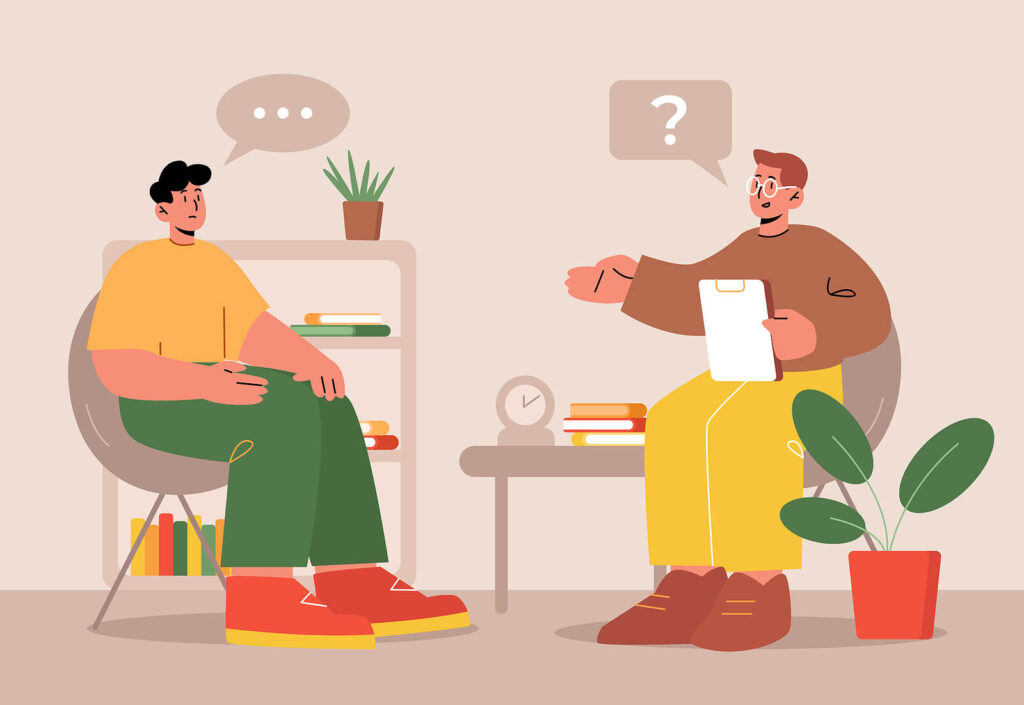
Untangling enmeshment is hard to do from inside the system that built it, which is exactly what trauma therapy is for. A trauma therapist at Kind Mind stands outside the family gravity and helps you tell the difference between guilt and wrongdoing, closeness and fusion, your voice and the chorus. If this whole piece read like your autobiography, our team works with enmeshment and family trauma across New York, New Jersey, North Carolina, and 40+ states through PSYPACT.
FAQ
Can an enmeshed family change?
Sometimes. You cannot make anyone come with you, but systems reorganize when one member changes consistently. Your steadiness gives the family a chance to relate to you differently. Whether they take it is theirs to decide.
Do I have to cut off my family to heal?
No. Most enmeshment recovery happens through adjusted contact, not ended contact. Estrangement is a last resort for situations involving ongoing harm, not the price of admission to healing. Boundaries exist precisely so you can stay in relationship without losing yourself in it.
Why do I feel so guilty when I set boundaries with my parents?
Because you were trained to. Enmeshed systems teach that separateness harms the people you love, so your guilt fires on healthy behavior. The guilt is a conditioned alarm, not a verdict, and it quiets with repetition.
The last word from a therapist in NYC, NY
Enmeshment taught you that love requires losing yourself. It never did. You are allowed to be a whole person and still love your family, and every boundary you hold, every preference you claim, every wave of guilt you ride out is you becoming that whole person. Through trauma-informed therapy in NYC, NY, you can begin exploring the patterns that shaped your relationships, develop healthier boundaries, and build a stronger sense of identity. You don’t have to navigate the complicated emotions of healing on your own.
Remember: the self you are building was always yours. You are not taking it from anyone. You are taking it back.
- Reach out to us here to begin therapy for enmeshment trauma.
- Learn more about healing from trauma by exploring our blog posts.
- You can love your family without losing yourself. And you deserve relationships in which both can be true.
Other Services We Offer in New York and North Carolina
In addition to trauma therapy, we offer group therapy that creates a welcoming space where you can connect with others, share experiences, and feel empowered as part of a supportive community. For those within the LGBTQIA+ community, our LGBTQIA+ therapy is a compassionate and affirming space where you can explore your identity and celebrate who you are. We also offer couples therapy in NYC, helping partners strengthen their bond. If you’re seeking to heal from past trauma, our specialized EMDR therapy and Internal Family Systems (IFS) therapy are designed to guide you toward lasting healing and emotional resilience. Whatever you’re facing, we’re here to help you thrive.