⏰ 7 min read
CBT for Anxiety and Panic Attacks in NYC & NC | Kind Mind Psychology

Photo: Unsplash (free to use)
Anxiety can feel like living in a state of constant alarm — your mind telling you the worst is coming even when you’re safe. At Kind Mind Psychology, our therapists in NYC and Charlotte, NC use Cognitive Behavioral Therapy (CBT) as a cornerstone of anxiety treatment, helping clients understand, challenge, and change the thought patterns that drive anxious cycles. CBT is one of the most well-researched therapeutic approaches in existence, and our team brings both clinical expertise and cultural awareness to every session.
Understanding Anxiety and Panic Attacks
As the philosopher Lucius Annaeus Seneca observed, “We suffer more in imagination than in reality.” Anxiety disorders involve exactly this — excessive worry about events regardless of their actual likelihood. It’s a cycle of overthinking and anticipating negative outcomes that triggers cognitive, behavioral, and physical responses.
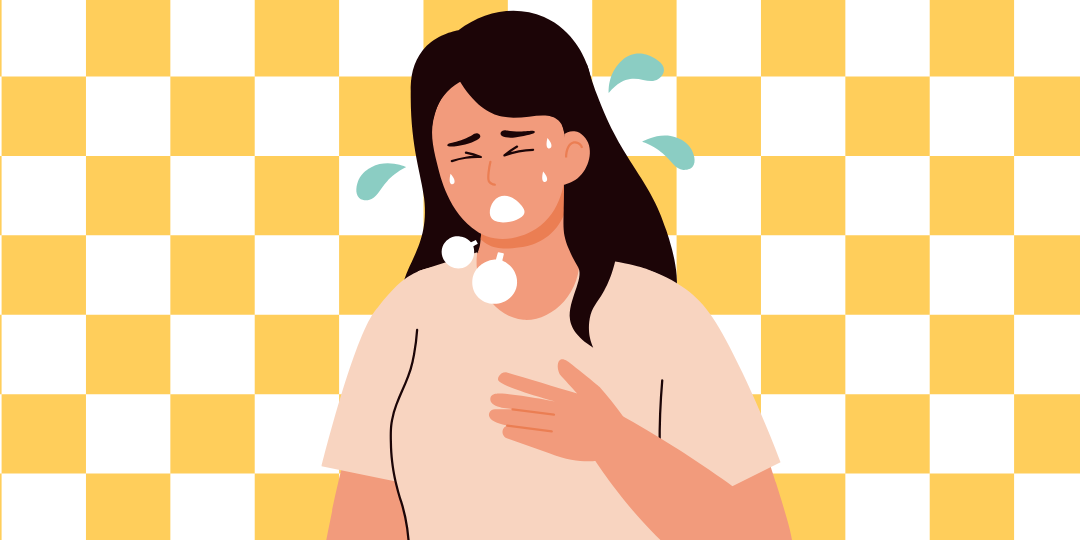
Anxiety involves excessive worry about future events, while panic attacks are marked by sudden, intense episodes of fear or discomfort that arise unexpectedly and typically peak within minutes. When experiencing anxiety and panic, distorted thinking about a situation can trigger physiological responses — racing heart, shortness of breath, dizziness, or trembling. Avoidance behaviors often follow, which ironically strengthen the anxious cycle further.
The Mind-Body Cycle of Anxiety
In both anxiety and panic attacks, the body’s fear response is triggered maladaptively when we perceive a threat that isn’t real. While adaptive fear is a healthy response to actual danger, maladaptive fear occurs when the brain interprets a safe situation as threatening — like having a fear response on a plane or while preparing for a work presentation. Even though the threat isn’t real, the body and mind respond as though it is, activating the fight-or-flight response and producing the full physical experience of danger.
How CBT Treats Anxiety and Panic

Photo: Unsplash (free to use)
There is a significant cognitive and behavioral component to anxiety and panic — fear responses triggered without real threat, followed by avoidance that reinforces the cycle. Cognitive Behavioral Therapy addresses this at every level: the thinking patterns driving the fear, the behaviors that maintain it, and the emotional experience of anxiety itself.
At Kind Mind Psychology, our therapists are trained in CBT and work with clients at a pace and in a style that honors your unique experience — including factors like cultural identity, minority stress, and lived experience.
Targeting Cognitive Distortions
A major aspect of anxiety is dysfunctional thinking that leads to maladaptive fear. CBT addresses these distortions by helping you identify and restructure thoughts to be more realistic and balanced. Automatic thoughts happen quickly and often operate outside our conscious awareness — the more aware we become of them, the less power they hold. Cognitive restructuring involves actively questioning whether a thought is true and considering alternative interpretations.
For example, a person who has panic attacks may think “My heart racing means I’m going to have a panic attack” — which triggers more anxiety and can induce panic. CBT works on restructuring this to a more realistic thought: “My heart racing can just mean I’m nervous.”
Behavioral Techniques
Behavioral techniques help develop skillful responses rather than avoidance. Relaxation and stress reduction techniques like deep breathing, progressive muscle relaxation, and grounding exercises reduce the physical symptoms of anxiety and help clients feel more in control during difficult moments.
Using Imagery
The brain often uses imagery to replay our worst fears — but imagery can also be used to mentally rehearse handling a challenging situation skillfully. By imagining skillful behavior, you activate the same brain regions as when performing it, so that when you face the situation in real life, you’re better prepared.
Exposure
Within a CBT framework, graduated exposure helps clients confront and navigate fears, learning that their anxieties are excessive or irrational. With repeated, supported exposure to feared situations, those situations become less threatening as clients learn firsthand that they can tolerate discomfort.
A Holistic and Compassionate Perspective
There may be pressure from yourself to “control” anxiety or panic — but it’s important to remember that all aspects of your experience are valid and part of your progress. Success in navigating anxiety and panic attacks may not look like a life completely without anxiety, but rather being able to live a fulfilling life despite those experiences. Follow @kindmindpsych on Instagram where our team shares psychoeducation on anxiety, CBT techniques, and emotional wellness.
Frequently Asked Questions About CBT for Anxiety
Is CBT effective for anxiety and panic attacks?
Yes. CBT is one of the most evidence-based treatments for anxiety disorders and panic disorder. Research consistently shows it reduces symptoms, improves coping, and produces lasting results well beyond the course of treatment.
How long does CBT for anxiety take?
Most people begin noticing improvements within 8–12 sessions. However, the length of treatment depends on the severity of symptoms and individual goals. Your therapist at Kind Mind Psychology will work with you to develop a personalized treatment plan.
Does Kind Mind Psychology offer CBT for anxiety in NYC?
Yes. Kind Mind Psychology provides CBT therapy virtually in New York and New Jersey, and both virtually and in person in Charlotte, NC. We specialize in culturally affirming care for all clients.
What is the difference between anxiety and a panic attack?
Anxiety typically involves ongoing excessive worry about future events. Panic attacks are sudden, intense episodes of fear that peak within minutes and often include physical symptoms like racing heart, shortness of breath, and dizziness. Both can be effectively treated with CBT.
🌿 You don’t have to live at the mercy of anxiety. Kind Mind Psychology offers CBT therapy for anxiety and panic attacks in NYC, NJ, and Charlotte, NC. Get started today or call 646-918-1181. Follow @kindmindpsych for anxiety tips and CBT psychoeducation.

Wenzhen Li, MHC-LP (she/her) is an Associate Therapist at Kind Mind Psychology, providing virtual therapy in New York. She takes a collaborative, client-centered, and trauma-informed approach — meeting each client where they are through a culturally sensitive lens. Wenzhen specializes in anxiety, depression, stress, self-esteem, and life transitions, using CBT, DBT, and EMDR to help clients build confidence, adaptability, and a deeper understanding of themselves.