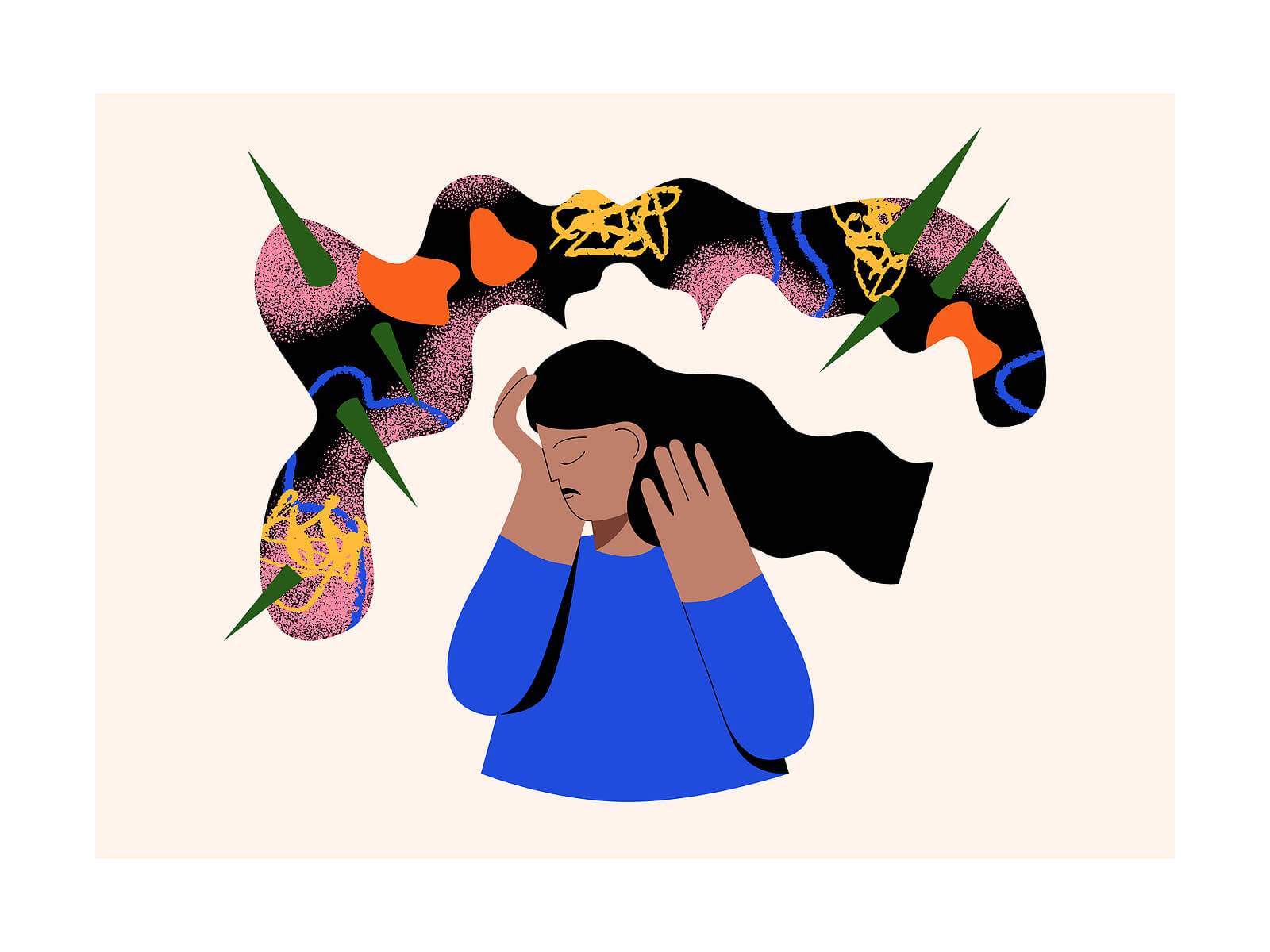
Somewhere along the way, OCD became a punchline. It got reduced to a quirky personality trait: someone who likes their desk perfectly organized or alphabetizes their spice rack. But obsessive compulsive disorder is not a personality quirk. It is a debilitating neurological cycle that traps people in a loop of terrifying, intrusive thoughts and desperate attempts to make those thoughts stop.
When someone finally recognizes they are living with OCD and seeks help, they often expect traditional talk therapy, like sitting on a couch, processing the past, and trying to understand where the thoughts come from. The problem is that standard talk therapy is notoriously ineffective for OCD and can sometimes make things significantly worse.

Why Traditional Talk Therapy Often Falls Short
OCD is driven by intrusive thoughts called obsessions. These are unwanted, anxiety-provoking mental intrusions that your brain treats as emergencies. The natural response is to do something to relieve that anxiety. Those relief-seeking behaviors are called compulsions.
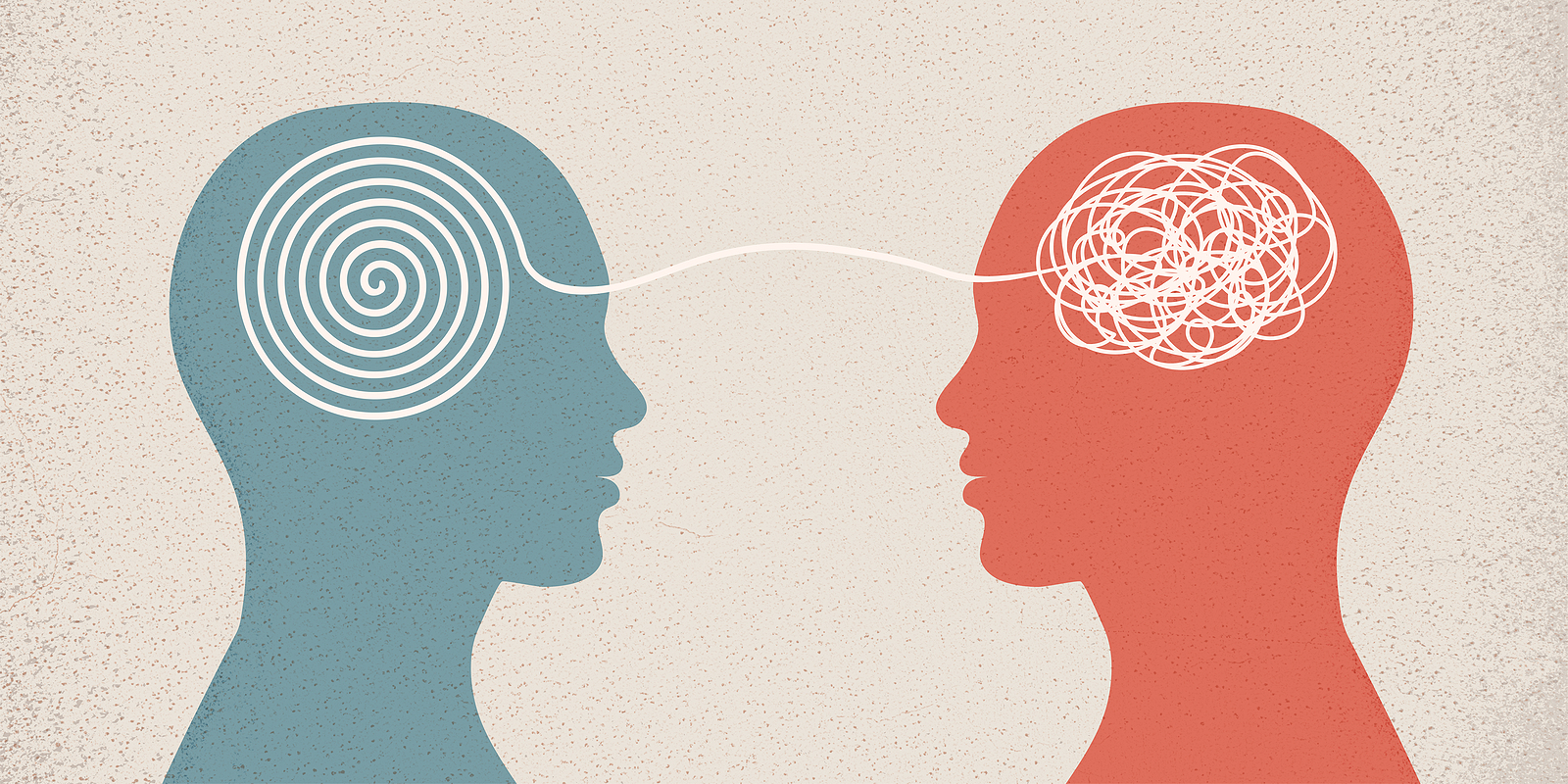
When a therapist helps you rationalize an intrusive thought by reminding you of your history or your character, the relief that follows is short-lived. Within minutes, the OCD brain counters with “but what if?” This is because the OCD brain is looking for certainty, which is something no one can ever fully provide.
Even mentally reviewing your memories or endlessly reassuring yourself counts as a compulsion. Rumination looks passive, but for someone with OCD, it is one of the most powerful ways the disorder maintains its grip.
The Gold Standard: Exposure and Response Prevention
Effective OCD treatment requires a different approach entirely. The clinical gold standard is exposure and response prevention, or ERP, a specialized form of cognitive behavioral therapy developed and refined by researchers like Dr. Edna Foa.
ERP aims to teach your nervous system that even when uncertainty is present, you can tolerate that discomfort without acting on a compulsion. You are training your brain to live in the “maybe.”
Treatment begins with carefully planned exposures. Working alongside a trained therapist, you intentionally trigger the obsessive thought. Someone with contamination OCD might touch a surface they consider dangerous. Someone whose OCD is primarily mental might write out their feared scenario and read it aloud. These exposures are gradual and always done with support.
The second half of ERP, and arguably the harder half, is response prevention. Once the anxiety spikes, you do not perform the compulsion. You do not wash your hands, seek reassurance, or try to push the thought away. You allow the anxiety to be there.
What Happens When You Sit With the Fear
This feels deeply counterintuitive at first. Your brain is signaling danger, and the work asks you to stay present with that signal rather than escape it. But anxiety is not permanent. When you block the compulsion, the anxiety eventually peaks and begins to fall on its own. This process is called habituation.
Each time you ride that wave without giving in, you weaken the neural pathway that keeps the OCD cycle running. Over time, the brain learns that the intrusive thought is not actually an emergency and that you are capable of tolerating uncertainty without needing relief.
The goal of OCD treatment is not a mind free of uncomfortable thoughts; every human has those. The goal is to reach a place where you can notice a distressing thought and continue living your life without being derailed by it.
Getting Support That Understands OCD
OCD responds to very specific, evidence-based treatment. At Kind Mind Psychology, we offer ERP therapy delivered by clinicians who understand how this disorder shows up differently for each person. Our approach is culturally informed, meaning we treat the whole person, not just the diagnosis.
If you or someone you love has been struggling with intrusive thoughts and compulsive patterns, you do not have to manage it alone. Contact us to learn more about how we can help.
Other Services We Offer in New York and North Carolina
Beyond OCD Therapy we offer a variety of supportive options to meet your needs. For those in the LGBTQIA+ community, we offer affirming and compassionate LGBTQ+ therapy, where you can explore and embrace your identity. We also provide couples therapy and sex therapy to help partners build stronger, more meaningful relationships. Additionally, our trauma treatment services are designed to help you process and heal from past experiences in a safe, supportive environment. No matter what you’re facing, we’re here to support your growth and well-being with CBT, DBT, or online therapy.
Kind Mind offers teen therapy and support for young adults transitioning to independence. Contact us to learn more.
Ready to Get Started?
If you’re ready to start working with a therapist who gets it, contact Kind Mind Psychology or call 646-918-1181 (NYC) / 704-218-9194 (Charlotte, NC). We offer virtual sessions in NY, NJ, NC, and PSYPACT states. We accept insurance and offer sliding scale starting at $25/session. Visit our Insurance & Fees page for details.
Dr. Monica Johnson, PsyD, is the founder of Kind Mind Psychology and the host of the ADHD & podcast through Understood.org. She is an AASECT Certified Sex Therapist and co-author of Addressing Race-Based Stress in Therapy with Black Clients (Routledge). She specializes in evidence-based approaches to ADHD, trauma, and culturally affirming therapy for BIPOC, LGBTQ+, and alternative lifestyle communities. Kind Mind Psychology offers virtual sessions in NY, NJ, NC, and 40+ PSYPACT states